Invar Machining for Parts That Hold Size Across Temperature
Send your drawing. We match it with shops that cut Invar 36, Super Invar and Kovar and know the stress relief sequence. Reply within 24 business hours.
A 1 m bar warmed by 10 °C grows
- Aluminum 60610.236 mm
- Stainless 3160.160 mm
- Carbon steel0.117 mm
- Invar 360.013 mm
Does your part need Invar?
Invar costs more to buy and to machine. It pays off only when a normal alloy would grow past your tolerance. Enter the length that matters, the temperature swing it sees and the tolerance you need to hold.
Nothing is sent. This check runs in your browser and uses typical expansion values.
| Material | Typical CTE (ppm/°C) | Growth (mm) | Within tolerance |
|---|---|---|---|
| Aluminum 6061 | 23.6 | ||
| Stainless 316 | 16.0 | ||
| Carbon steel | 11.7 | ||
| Kovar | 5.5 | ||
| Invar 36 | 1.3 | ||
| Super Invar | 0.6 |
Why Invar parts are machined in stages
Cutting puts stress and cold work into the surface of the part. In Invar that does two things: the part can move days after it leaves the machine and its expansion can rise above the value on the cert. That is why the sequence matters as much as the machine.
Machined in one pass
Rough and finish in one setup, straight from bar to part.
- Stress from roughing stays locked in the part
- Flatness and position can drift after inspection
- Fine for loose tolerances or parts that are not thermally critical
Machined in stages
Rough, stress relieve, then finish with light cuts. Stabilize if the drawing asks for it.
- The part settles before the final surfaces are cut
- Expansion stays close to the annealed value
- Adds a furnace run and a second setup to the quote
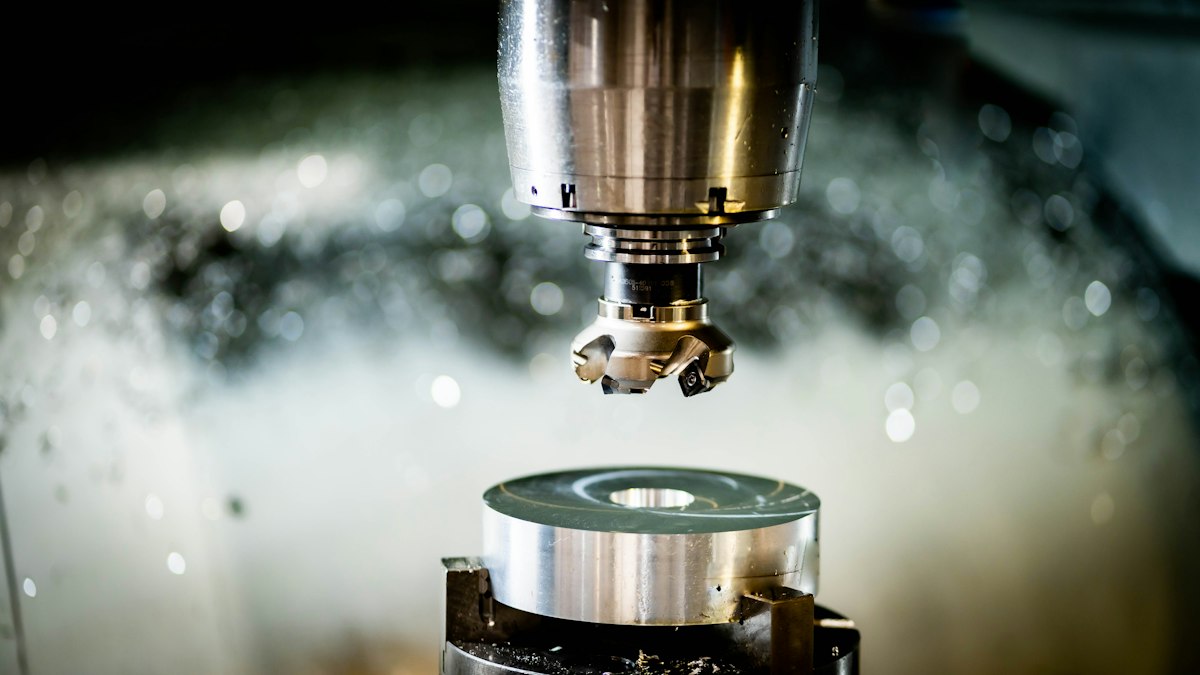
Rough
Remove most of the stock and leave an even allowance on every face that matters.
Stress relieve
Heat the part to release the stress the cutting put in. The alloy spec or the drawing sets the cycle.
Finish
Light cuts with sharp tools bring the part to size without cold working the surface again.
Stabilize and inspect
For the most demanding optics a stabilization cycle follows. Parts soak to 20 °C before they are measured.
Invar 36, Super Invar, Kovar and Alloy 42
Four low-expansion alloys that shops quote under the Invar name. These are typical values, not promises. The shop that quotes you confirms what it can hold on your geometry.
| Alloy | Typical CTE (ppm/°C) | Used for | Machining note | Typical tolerance |
|---|---|---|---|---|
| Invar 36Fe-36Ni, ASTM F1684 | 1.2 to 1.6 | Optical mounts, composite layup tools, metrology frames | Gummy and work hardens like austenitic stainless. Rough, stress relieve, then finish. | ±0.01 to ±0.025 mm |
| Super InvarFe-32Ni-5Co | 0.3 to 0.6 | Telescope and laser structures, space optics | Machines much like Invar 36. Its low expansion holds over a narrower temperature band. | ±0.01 to ±0.025 mm |
| KovarFe-29Ni-17Co, ASTM F15 | 5.0 to 5.5 | Glass and ceramic seals, electronic packages, feedthroughs | Tougher than Invar. Usually annealed and cleaned before sealing. | ±0.01 to ±0.025 mm |
| Alloy 42Fe-42Ni, ASTM F30 | 4.0 to 6.0 | Lead frames, seals, bimetal parts | Similar cutting behavior. Often thin parts, so fixturing decides flatness. | ±0.025 mm is a safer target |
Where Invar parts are used
Each field brings its own paperwork. Mention material certs, CTE test data, first article inspection or cleaning rules in your RFQ so we match shops that already work that way.
Optics and photonics
Lens cells, mirror mounts and laser cavity spacers that must keep alignment as the room warms up.
Composite tooling
Layup molds and mandrels for carbon fiber parts. Invar grows about as little as the laminate does in the autoclave.
Space
Instrument benches, antenna parts and optical structures that see large temperature swings in orbit.
Semiconductor and metrology
Frames, reference plates and gauge parts where a few microns of drift is already a defect.
Cryogenics
Fixtures and fittings that go down to liquid nitrogen or LNG temperature without shrinking away from mating parts.
Electronic packaging
Kovar lids, seal rings and feedthroughs matched to glass or alumina ceramic.
How it works
One RFQ from you. A short list of shops that fit. No bidding platform and no middleman on the order.
Send your RFQ
Upload a STEP file or PDF drawing and tell us the alloy, quantity, tolerance and heat treatment. Takes about three minutes.
We match up to 3 shops
We read the drawing and pick shops that cut this alloy and can run the stress relief your part needs. You hear from us within 24 business hours.
Shops quote you directly
Each shop contacts you with a quote. You compare, ask questions and place the order with the one you choose.
What drives the price of an Invar part
An Invar quote usually lands well above the same part in stainless. Five things explain most of the gap, and some of them you can change on the drawing.
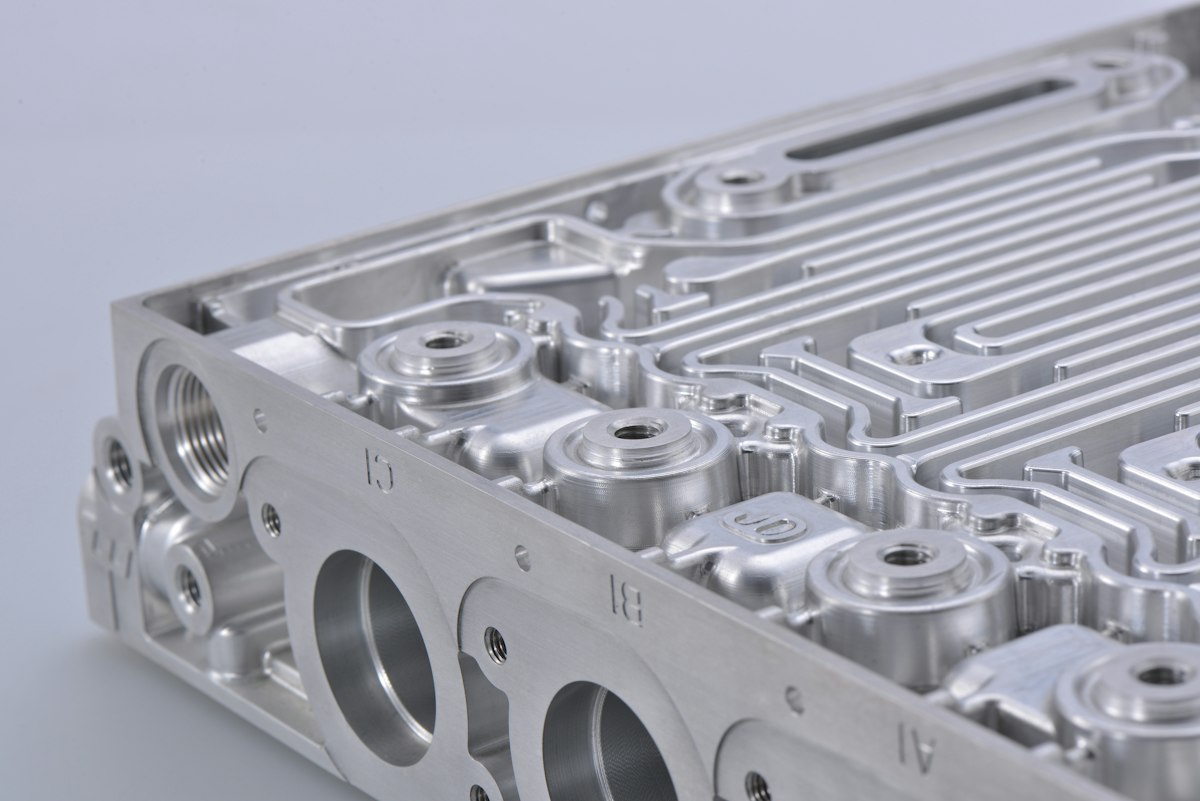
- MaterialInvar and Kovar are nickel alloys. Bar and plate cost several times more than stainless and thick plate can take weeks to arrive.
- Cutting speedThe alloy is gummy and work hardens. Shops run slower speeds and change tools more often than on steel.
- Heat treatmentEvery stress relief step means a furnace run, handling and a second setup to finish. A stabilization cycle adds more.
- Tolerance and inspectionTight parts are measured at 20 °C after a soak. Flatness and position checks on a CMM take real time.
- Certs and recordsA mill cert is normal. Measured CTE data for your heat lot or a full inspection report costs extra.
Have a drawing ready?
Send the short version now. We will ask for anything missing. If you prefer to give full details up front, use the full RFQ form.
Your files go only to the shops we match. Ask for an NDA and nothing is shared until it is signed.
Machine Invar or Kovar? Get RFQs that fit your shop.
Shops see a preview of each request before paying for it and talk to the buyer directly. We take no commission on the order.
Questions buyers ask
Something else? Email .
Is this service free for buyers?
Yes. You pay nothing to send an RFQ or to receive quotes. Shops pay us for matched requests. Price, terms and delivery are agreed between you and the shop.
Who sees my drawing?
Shops first see a short preview with part type, alloy, size, quantity and tolerance. It does not include your name, company or files. Your contact details and files go only to the shops we match, up to 3. If you ask for an NDA, we hold the files until it is signed.
Do you machine Invar parts yourselves?
No. We are a matching service, not a machine shop. The shops that quote you do the machining and heat treatment, and you place the order with them.
Can the shop supply the Invar with material certs?
Most shops buy Invar 36 bar and plate to ASTM F1684 and Kovar to ASTM F15 with a mill cert showing chemistry. If you need measured CTE data for your heat lot, say so on the RFQ. It adds cost and lead time, so shops need to know up front.
Who handles stress relief and stabilization?
The machining shop, either in its own furnace or through a heat treater it already uses. Tell us on the RFQ whether your drawing calls for stress relief or a full stabilization cycle and we match shops that can run that sequence.
Which file formats can I send?
STEP or IGES for the 3D model, plus a PDF drawing with tolerances, alloy spec and heat treatment notes. DWG and DXF also work. A STEP file together with a PDF drawing gets the most accurate quotes.
Guides for Invar buyers
- Cost
Invar Machining Cost: What Shops Price on an Invar 36 Part
How an Invar 36 machining quote is built: material, slow cutting, stress relief, inspection at 20 °C and certs. Plus drawing changes that bring the price down.
- Materials
Invar Machining: A Buyer's Guide to Low-Expansion Parts
How Invar 36 behaves on the machine, why shops rough, stress relieve and then finish, which tolerances are realistic and what to write on your Invar RFQ.